6 Sep 2026
Tracing the Evolution of Responsible Gambling Features Within Zurich's Digital Slot Offerings
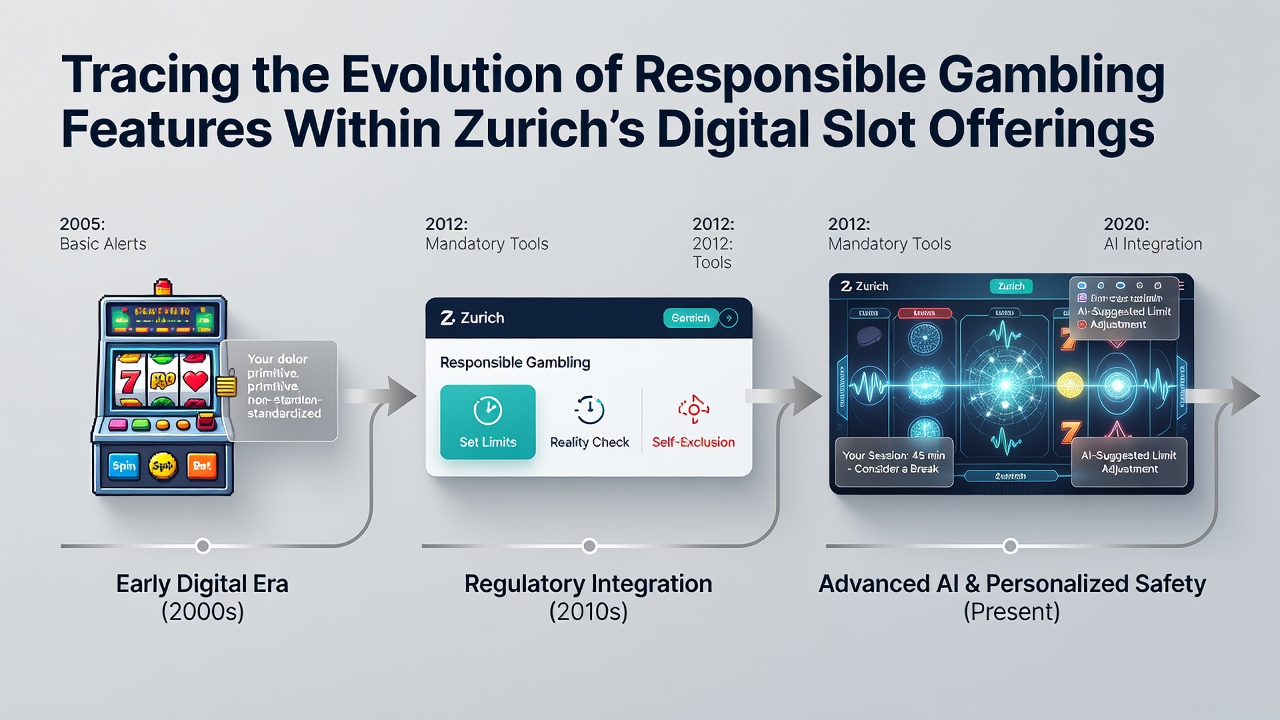
Digital slot offerings in Zurich have incorporated responsible gambling measures that trace back to the early 2000s when Swiss operators first integrated basic session timers into online platforms. These initial tools emerged alongside the Federal Act on Gambling which established core licensing requirements for remote gaming activities. Observers note that early implementations focused on voluntary player controls rather than automated interventions yet laid groundwork for later expansions.
Initial Integration of Player Controls
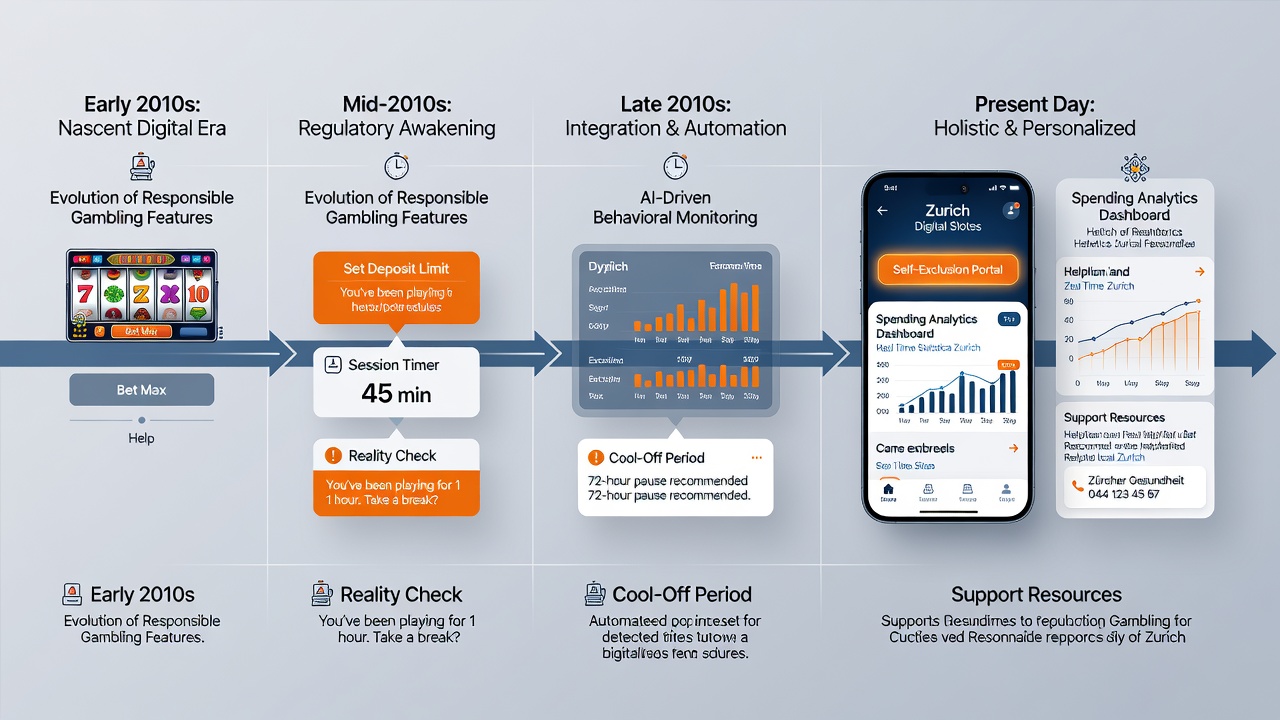
By the mid-2010s Zurich-based platforms introduced deposit limit settings that allowed users to set daily weekly and monthly caps directly through account dashboards. Data from regulatory filings indicate that these features coincided with the rollout of self-exclusion registries managed at the cantonal level. Researchers at Swiss institutions documented gradual adoption rates among slot players who activated limits within the first month of registration. And the systems evolved further when operators added reality check pop-ups that interrupted play after predefined intervals prompting users to review their activity summaries.
Regulatory Shifts and Feature Expansions
Amendments to Swiss gambling legislation in 2021 required licensed providers to embed loss limit mechanisms into all digital slot interfaces. These mandates prompted Zurich operators to deploy algorithms that flagged unusual spending patterns and delivered personalized notifications. Figures from industry reports reveal that such interventions correlated with measurable reductions in extended play sessions across multiple platforms. What's interesting here is how providers integrated these alerts without disrupting game flow while maintaining compliance with federal oversight bodies. External evaluations by academic teams confirmed the technical reliability of these automated checks through controlled testing environments.
Take one case where developers at a major Zurich site collaborated with software vendors to refine time-out options that automatically locked accounts after 60 minutes of continuous spinning. This adjustment built on earlier manual pause buttons and reflected broader trends in mobile optimization. Studies conducted by European research networks showed that players who engaged with these combined controls reported clearer awareness of their session durations compared to those using only basic timers.
Advancements Through 2026
Into September 2026 Zurich digital slot environments incorporated biometric verification layers that cross-referenced player identity with historical limit data to prevent circumvention attempts. These enhancements arrived as part of updates aligned with the Federal Act on Gambling provisions and addressed gaps identified in prior audits. Industry associations tracked deployment across the majority of licensed sites with particular emphasis on high-volatility slot titles. Data shows that adoption of multi-factor authentication for limit adjustments reduced unauthorized changes by significant margins according to aggregated platform statistics.
Additional tools emerged around predictive modeling that analyzed betting velocity and adjusted pop-up frequency accordingly. Researchers discovered that tailoring these interventions to individual patterns improved engagement rates with responsible features. And external audits from bodies such as the Swiss Federal Gaming Board verified that the models operated within defined privacy parameters while delivering consistent outputs. Observers point to parallel developments in other regions where similar approaches yielded comparable results in controlled trials.
Broader Industry Context
Collaboration between Zurich operators and technology firms produced dashboard interfaces that consolidated all responsible features into single accessible views. Players could toggle settings adjust thresholds and review historical data without leaving the main application. Evidence from platform analytics indicates higher utilization of these centralized tools compared to scattered menu options used previously. What's significant is the way these interfaces incorporated visual cues like progress bars that displayed remaining limits in real time during slot sessions.
One study revealed that integration of educational modules alongside the control panels increased voluntary limit activations among new registrants. These modules presented factual overviews of game mechanics and probability without prescriptive language. Teams at research centers including those affiliated with Canadian Centre for Gambling Research have examined comparable implementations and noted consistent patterns in user behavior across jurisdictions.
Conclusion
The progression of responsible gambling features in Zurich digital slot offerings reflects ongoing alignment between regulatory requirements and technological capabilities. From basic timers in the early 2000s through advanced predictive systems active in 2026 the trajectory shows incremental layering of controls that address multiple aspects of player engagement. Documentation from federal records and independent evaluations continues to track these developments as platforms refine their approaches in response to emerging data.