23 Aug 2026
Securing Transactions: How Payment Systems and Mobile Tools Support Responsible Play for Swiss Table Game Fans
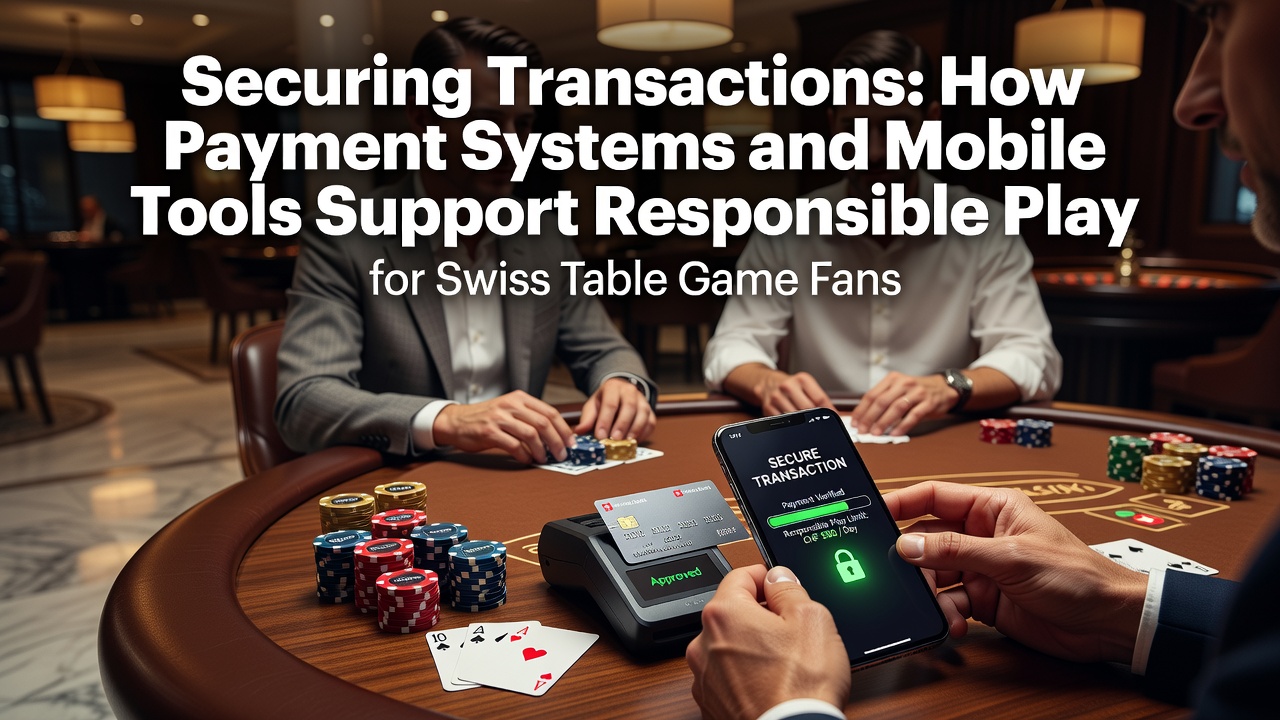
Swiss table game enthusiasts rely on regulated payment systems that combine encryption standards with built-in controls for deposit limits and spending tracking, and these mechanisms have gained additional features in August 2026 as operators updated their platforms to meet revised cantonal guidelines. Payment processors integrate with casino software so that every transaction passes through verification layers that flag unusual patterns before funds reach the gaming account, while mobile applications allow users to set daily, weekly or monthly caps directly from their devices. Data from the International Center for Responsible Gaming shows that platforms using real-time transaction monitoring reduce instances of excessive play by directing alerts to players when preset thresholds approach.
Payment Infrastructure and Transaction Controls
Swiss licensed operators connect to banking networks and electronic wallet providers that support instant verification of account ownership, and these connections create an audit trail that helps both players and regulators review activity after the fact. Bank transfers and prepaid card options often include optional velocity limits that block additional deposits once a chosen amount is reached within a given period, whereas e-wallet services display running balances alongside gaming history on the same screen. Observers note that such integration keeps financial decisions visible rather than hidden behind separate banking apps, and the same systems automatically log every transfer for compliance reviews required under Swiss federal law.
Mobile Applications and Limit-Setting Features
Smartphone tools developed for Swiss casino sites let users adjust responsible-play settings without leaving the table-game interface, and push notifications appear when limits near completion or when play sessions extend beyond a chosen duration. Applications record session length alongside wager totals, then present the combined figures in simple graphs that update after each round of blackjack or roulette, while some programs allow temporary account locks that last from one hour to several days. Researchers at the University of Nevada, Reno examined similar mobile features in other jurisdictions and found that players who activated session reminders reduced average session time by measurable margins, and Swiss operators have adopted comparable designs since the 2019 online-gambling legislation took effect.
Security Measures That Reinforce Responsible Choices
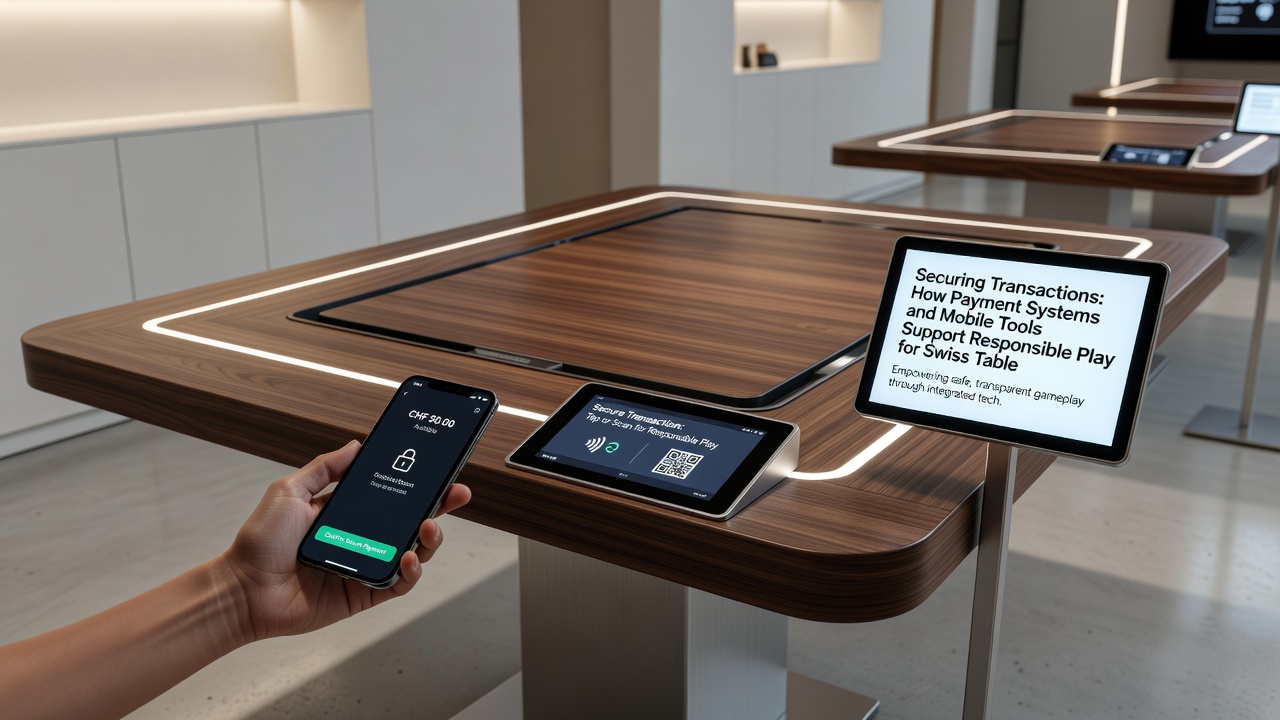
End-to-end encryption protects card details and bank identifiers during every transfer, and tokenization replaces actual account numbers with unique codes that cannot be reused elsewhere, yet the same security layer also prevents third-party interference that could trigger unauthorized deposits. Fraud-detection algorithms scan for rapid successive transactions or mismatched device locations, and when anomalies appear the system may require additional confirmation before releasing funds, which in practice gives players an extra moment to reconsider. Those who have reviewed Swiss operator reports indicate that these checks operate continuously without interrupting normal play, and the same technology supports age verification at the point of first deposit so that only eligible users gain access to table games.
Regulatory Context and August 2026 Updates
Cantonal authorities in Switzerland require operators to publish clear statements about available responsible-play tools, and the August 2026 software revisions added standardized icons that link directly to deposit-limit menus from any game screen. These updates also introduced cross-platform synchronization so that limits set on a desktop browser carry over automatically to mobile sessions, and transaction histories remain accessible for at least twelve months. Figures released by the Swiss Federal Statistical Office reveal steady growth in the number of accounts that activate at least one control feature, and operators must report aggregate data on limit usage to oversight bodies on a quarterly basis.
Examples from Regulated Platforms
One Zurich-based operator introduced an in-app calculator that converts planned wagers into percentage terms of a user’s chosen monthly budget, and players receive a summary before confirming each deposit. Another platform partnered with an external auditing firm to publish monthly statistics on how many accounts paused activity after receiving spending alerts, and the resulting transparency document became available for download directly from the site footer. Such case studies illustrate how payment and mobile systems work together rather than in isolation, and similar approaches appear across multiple licensed domains serving Swiss residents.
Conclusion
Payment systems and mobile applications used by Swiss table game fans embed security protocols and limit-setting functions that operate in tandem, and the August 2026 platform enhancements have made those functions more consistent across devices. Transaction records, encryption standards and real-time alerts together create an environment where players can track activity and adjust behavior without leaving the regulated ecosystem, while regulatory reporting requirements ensure the tools remain available and functional. Continued refinement of these features depends on cooperation between operators, technology providers and oversight bodies, and the resulting infrastructure supports both transaction safety and informed play decisions.